

Discover the Best Embroidery Shop for Your Creative Projects
If you’re looking to bring your creative ideas to life, finding the right embroidery shop is key. Whether you prefer shopping locally or online, there are plenty of options that cater to all your embroidery needs. In this article, we’ll explore the best places to find unique designs, essential tools, and community resources to help you on your embroidery journey.
Key Takeaways
- Local embroidery shops offer unique, handcrafted items and support artisans in your community.
- Online shops provide convenience and a wide range of designs, often at competitive prices.
- Essential tools like embroidery machines and software can greatly enhance your projects.
- Exploring different embroidery techniques can open up new creative possibilities.
- Joining embroidery communities online or locally can provide support and inspiration for your projects.
Exploring Local Embroidery Shops
Finding Hidden Gems
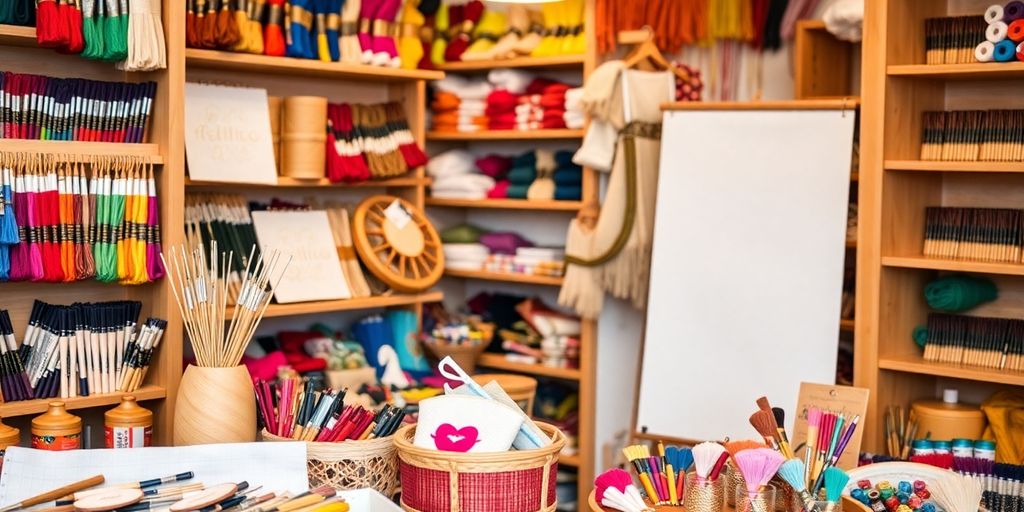
Okay, so you want to find a good embroidery shop? Forget the big box stores for a minute. The real treasures are often tucked away in smaller, independent shops. These places are usually run by people who are super passionate about embroidery, and they can offer a level of personalized service you just won’t find anywhere else. I’m talking about those little shops that have been around for ages, maybe passed down through generations. They might not have the fanciest websites, but trust me, they’re worth seeking out. You can usually find them by searching for local embroidery services on Google Maps or asking around at craft fairs.
Supporting Local Artisans
When you choose a local embroidery shop, you’re doing more than just getting your project done. You’re directly supporting the local economy and helping artisans keep their craft alive. These shops often source their materials locally, too, which means your money stays within the community. Plus, you’re investing in someone’s passion and expertise. It’s a win-win! I always feel good knowing that my money is going to a real person who cares about their work, not just a faceless corporation. It’s about building relationships and keeping those traditional skills relevant.
Unique Offerings in Your Area
Local embroidery shops often have unique offerings that you won’t find online. This could be anything from specialized embroidery techniques to custom designs that reflect the local culture. They might also offer classes or workshops where you can learn new skills and connect with other embroidery enthusiasts. I remember finding this tiny shop that specialized in vintage embroidery styles – it was amazing! They had all these old patterns and threads that you just couldn’t find anywhere else. It’s these kinds of discoveries that make exploring local shops so rewarding.
I think it’s important to remember that these small businesses are the backbone of our communities. They’re not just places to buy things; they’re places where people connect, share ideas, and keep traditions alive. So next time you need something embroidered, consider checking out your local shops first. You might be surprised at what you find.
Online Embroidery Shop Options
Convenience of Online Shopping
Shopping for embroidery supplies online? It’s a game-changer. You can literally shop in your pajamas at 3 AM. No more rushing to the store before it closes or dealing with limited selections. Online shops are open 24/7, and the variety is usually way better than what you’d find locally. Plus, returns are often easier than you think, so don’t be afraid to try something new. I love being able to compare different shops side-by-side without driving all over town. It’s a huge time-saver, especially when you’re juggling a million other things.
Comparing Prices and Designs
One of the best things about online embroidery shops is how easy it is to compare prices. You can quickly check out multiple sites to find the best deals on machine embroidery designs or threads. Design variety is another huge plus. You’ll find everything from classic patterns to the latest trends, often with options to filter by style, size, and complexity. Many sites also offer free designs to get you started, which is awesome for beginners. Don’t forget to factor in shipping costs when comparing prices, though!
Customer Reviews and Ratings
Before you buy anything online, always check the reviews. Customer reviews can give you a real sense of the quality of the products and the reliability of the shop. Look for patterns in the feedback – are people consistently praising the stitch quality, or are there complaints about unclear instructions? Ratings can also be helpful, but read the actual reviews to get the full picture. A few bad reviews aren’t necessarily a deal-breaker, but a pattern of negative feedback is a red flag. Also, check out the embroidery community forums to see what people are saying about different shops and designs.
It’s easy to get caught up in the excitement of a new project, but taking a few minutes to read reviews can save you a lot of frustration down the road. I’ve learned the hard way that a cheap design isn’t worth it if it’s poorly digitized or the shop has terrible customer service.
Essential Tools for Embroidery Projects
Choosing the Right Machine
Okay, so you’re thinking about getting into embroidery? Awesome! First things first, let’s talk machines. There are a ton of options out there, and it can be overwhelming. You’ve got your basic sewing machines that can do a little embroidery, then you have dedicated embroidery machines, and then the fancy multi-needle ones. The best machine really depends on what you plan to do. If you’re just starting out and want to dabble, a combo sewing/embroidery machine might be a good bet. But if you’re serious about embroidery, a dedicated machine will give you better results and more features. Think about the size of the embroidery area you’ll need, the types of stitches it offers, and how easy it is to use. Don’t forget to read reviews and compare prices before you commit!
Must-Have Accessories
Alright, you’ve got your machine, now what? Time to stock up on the essentials! Here’s a quick rundown:
- Embroidery Hoops: These hold your fabric taut while the machine does its thing. Get a variety of sizes to accommodate different projects. I find that having at least three different sizes is a good start.
- Stabilizer: This is crucial for preventing your fabric from puckering or stretching during embroidery. There are different types for different fabrics, so do your research. I always keep cut-away, tear-away, and wash-away stabilizers on hand.
- Embroidery Needles: These are specially designed for embroidery and have a larger eye to accommodate thicker threads. Using the right needle can make a huge difference in the quality of your stitches. I like to use a 75/11 size for most of my projects.
- Embroidery Thread: Obviously! There are tons of colors and types to choose from. Start with a basic set of colors and expand your collection as you go. I’m a big fan of rayon and polyester threads.
- Scissors: Small, sharp scissors are a must for trimming threads and getting into tight spots. I have a pair dedicated solely to embroidery.
Don’t skimp on quality when it comes to accessories. Cheap thread can break easily, and dull needles can damage your fabric. Investing in good quality tools will save you headaches in the long run.
Software for Design Creation
So, you want to create your own designs? That’s where embroidery software comes in. There are a bunch of programs out there, from free ones to professional-grade suites. Embroidery software lets you digitize images, create lettering, and customize existing designs. Some popular options include:
- Wilcom Hatch: A powerful and user-friendly option for beginners and experienced embroiderers alike.
- Embrilliance: Known for its modular design and ability to add features as you need them.
- Embird: A comprehensive program with a wide range of features, including digitizing, editing, and lettering.
Choosing the right software depends on your needs and budget. Start with a free trial or a basic version and upgrade as you become more comfortable. Also, don’t forget to check out online tutorials and forums for tips and tricks. Happy stitching!
Creative Embroidery Techniques
Exploring Different Styles
Okay, so you’re ready to move beyond basic stitches? Awesome! There’s a whole universe of embroidery styles out there. Think about trying your hand at crewel embroidery with its raised textures, or maybe some blackwork with its geometric patterns. Experimenting is key to finding what clicks with you. Don’t be afraid to mess up; that’s how you learn!
Incorporating Mixed Media
Embroidery doesn’t have to live in a purely stitched world. Why not add some beads, sequins, or even fabric scraps to your work? I recently saw someone use bits of old lace in their embroidery, and it looked incredible. It’s all about adding depth and texture. You could even try painting on your fabric before you start stitching to create a unique background. The possibilities are endless when you start mixing things up. Consider using digital embroidery patterns to get started.
Tips for Beginners
Starting out can feel overwhelming, but it doesn’t have to be! Here are a few things I wish I knew when I first started:
- Use a hoop! It makes a huge difference in keeping your fabric taut.
- Don’t be afraid to unpick stitches. Seriously, everyone does it.
- Start with simple designs. You can always add complexity later.
Remember, embroidery is supposed to be fun! Don’t put too much pressure on yourself to be perfect. Just enjoy the process of creating something with your own two hands. It’s a great way to relax and unwind, plus you get a cool piece of art at the end. Also, join a machine embroidery community to get inspired.
Community and Resources for Embroiderers
Joining Online Forums
Online forums are a great way to connect with other embroidery enthusiasts. These platforms provide spaces to ask questions, share your projects, and get inspired by others’ work. It’s like having a virtual embroidery circle where you can learn new techniques and troubleshoot problems together. You can find forums dedicated to specific embroidery machines, design software, or even particular styles of embroidery. Don’t be shy – jump in, introduce yourself, and start stitching!
Participating in Local Workshops
Local workshops offer hands-on learning experiences and a chance to meet fellow embroiderers in person. These workshops can range from beginner-friendly introductions to advanced technique classes. You’ll get personalized instruction, access to specialized equipment, and the opportunity to build relationships with other crafters in your community. Plus, it’s a fun way to spend an afternoon or evening! Check community centers, fabric stores, and local embroidery shops for workshop schedules. You might even find a workshop that focuses on machine embroidery community.
Sharing Your Work on Social Media
Social media is a powerful tool for showcasing your embroidery projects and connecting with a wider audience. Platforms like Instagram, Pinterest, and Facebook are filled with embroidery communities where you can share your creations, get feedback, and find inspiration. Use relevant hashtags to increase the visibility of your work and engage with other embroiderers. It’s a great way to build your online presence and potentially even sell your designs or finished pieces. Don’t forget to check out groups dedicated to digital embroidery patterns.
Sharing your embroidery work online can be a great way to get feedback and connect with other crafters. It’s also a good way to track your progress and see how far you’ve come. Don’t be afraid to put yourself out there and show off your skills!
Seasonal Trends in Embroidery
Popular Designs for Holidays
Okay, so when the holidays roll around, embroidery goes absolutely bonkers. Think beyond just Christmas stockings! We’re talking spooky Halloween designs, cute Thanksgiving turkeys, and even intricate Easter eggs. The key is to tap into the holiday spirit with themed colors and motifs. I’ve seen some amazing embroidered pumpkins on tote bags and even little ghosts on baby onesies. It’s all about adding that personal, handmade touch to the celebrations. I’m thinking of making some custom embroidered patches for my nieces and nephews this year.
Adapting Styles for Different Seasons
Embroidery isn’t just for holidays; it can totally reflect the changing seasons. Spring? Hello, floral patterns and pastel colors! Summer? Bring on the beachy vibes with seashells and anchors. Autumn? Think warm tones, leaves, and maybe even some cute little squirrels. And winter? Snowflakes, snowmen, and cozy cabin scenes are the way to go. It’s all about using colors and designs that match the season’s mood. I’m currently working on a fall-themed quilt with embroidered leaves and acorns. It’s so relaxing to stitch while sipping on a pumpkin spice latte.
Here’s a quick breakdown:
- Spring: Florals, pastels, light fabrics
- Summer: Nautical themes, bright colors, breathable materials
- Autumn: Warm tones, leaves, cozy textures
- Winter: Snowflakes, dark colors, heavier fabrics
Inspiration from Current Fashion
Fashion trends are a HUGE source of inspiration for embroidery. What’s hot on the runways often trickles down into the embroidery world. For example, if oversized floral prints are trending, you’ll likely see a surge in embroidered floral designs. Keep an eye on what designers are doing and adapt those ideas to your embroidery projects. I’ve noticed a lot of Oscar de la Renta’s use of embroidery lately, and it’s giving me so many ideas!
I always check out fashion blogs and magazines to see what’s trending. It’s a great way to stay ahead of the curve and come up with fresh, exciting embroidery designs. Plus, it’s just fun to see what’s new and stylish.
Sustainable Practices in Embroidery
Eco-Friendly Materials
Choosing the right materials is a big deal when you’re trying to be sustainable. Think about using organic cotton, bamboo, or even recycled fabrics as your base. For threads, look into options made from Tencel or other plant-based sources. These choices not only reduce your environmental impact but can also add a unique texture and feel to your projects. It’s all about making smart swaps that benefit both your craft and the planet. You can find new fabrics at many retailers now.
Upcycling and Repurposing
Upcycling is a fantastic way to give old items a new life through embroidery. Instead of tossing out that worn-out denim jacket, why not add some cool embroidery to it? Old linens, t-shirts, and even scraps of fabric can be transformed into something beautiful and new. This approach reduces waste and lets you create one-of-a-kind pieces. Plus, it’s a great way to express your creativity and make a statement about sustainability. It’s like giving your old stuff a stylish upgrade!
Supporting Ethical Brands
When buying supplies, take the time to research brands that prioritize ethical production. Look for companies that are transparent about their manufacturing processes, treat their workers fairly, and use sustainable practices. By supporting these brands, you’re not just buying materials; you’re investing in a better future for the embroidery industry and the planet. It might cost a bit more, but the impact is worth it. You can even find digital embroidery patterns from ethical brands.
Embroidery can be more than just a hobby; it can be a conscious choice to support sustainability. By making informed decisions about materials, upcycling, and the brands you support, you can create beautiful art while minimizing your environmental footprint. It’s about stitching a better world, one project at a time.
Embroidery can be done in a way that helps the planet. By using eco-friendly materials and methods, we can create beautiful designs while protecting our environment. If you want to learn more about how to make your embroidery projects sustainable, visit our website for tips and ideas!
Wrap-Up: Your Next Embroidery Adventure Awaits
So there you have it! Finding the right embroidery shop can really make a difference in your creative journey. Whether you’re just starting out or you’ve been stitching for years, the right place can inspire you and help you grow. With so many options out there, take your time to explore and see what fits your style. Don’t forget to check out the community around these shops too; sharing ideas and projects can spark new inspiration. Now, go ahead and start your next embroidery project with confidence! Happy stitching!
Frequently Asked Questions
What should I look for in a local embroidery shop?
When choosing a local embroidery shop, check if they have a variety of designs, good customer service, and if they support local artists.
Are online embroidery shops reliable?
Yes, many online embroidery shops are trustworthy. Just make sure to read customer reviews and check their return policies.
What tools do I need to start embroidery?
To begin, you’ll need an embroidery machine, threads, needles, and some fabric. Accessories like scissors and hoops are also helpful.
What are some popular embroidery techniques?
Some popular techniques include cross-stitch, satin stitch, and appliqué. Each has its own unique look and style.
How can I connect with other embroiderers?
You can join online forums, attend local workshops, or share your work on social media platforms to meet other embroidery fans.
What are some eco-friendly options for embroidery?
Look for shops that sell organic threads, recycled fabrics, and brands that focus on sustainable practices.
