
Thread Through Time: The Fascinating Journey of Embroidery
History of Embroidery: From Ancient Art to Modern Custom Apparel
Introduction
Embroidery, the timeless art of decorating fabric with needle and thread, boasts a remarkable history spanning over 30,000 years across countless cultures worldwide. What began as a practical necessity for mending and reinforcing clothing evolved into one of the most celebrated decorative art forms, influencing everything from royal garments to modern custom embroidered baseball hats and contemporary apparel. This ancient craft has left an enduring mark on fashion, home decor, and artistic expression throughout human civilization.
Ancient Origins of Embroidery (30,000 BC – 1000 AD)
The origins of embroidery trace back to prehistoric times, with archaeological evidence suggesting decorative stitching existed as early as the Cro-Magnon era around 30,000 BC. Fossilized remains from this period reveal heavily hand-stitched and decorated clothing and boots, demonstrating that early humans recognized both the functional and aesthetic value of needlework.
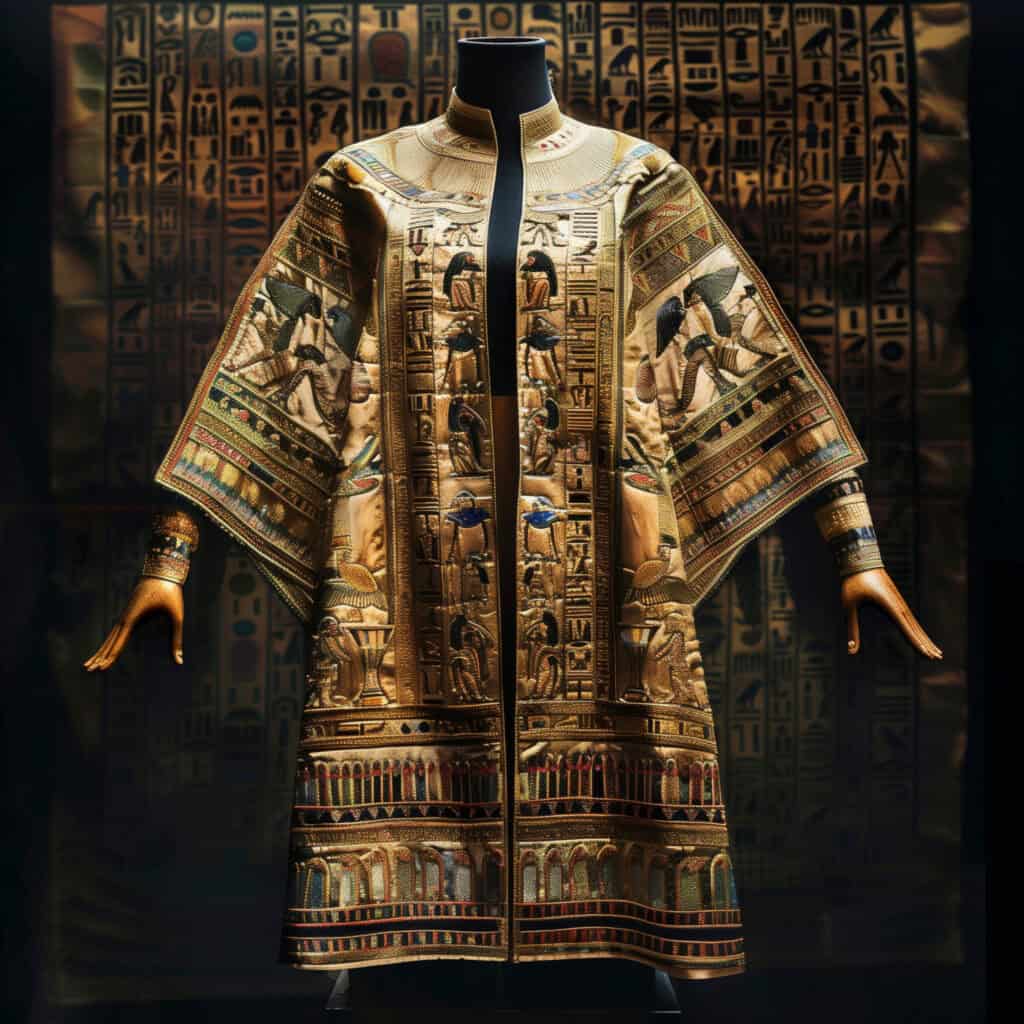
The first concrete evidence of sophisticated embroidery techniques comes from ancient Egypt and China, dating back to approximately 3000 BC. In ancient Egypt, embroidery adorned the robes of pharaohs and religious artifacts, symbolizing power and divinity. The famous tomb of Tutankhamun contained embroidered collar panels showcasing the advanced skill of Egyptian artisans.
Meanwhile, ancient China developed highly sophisticated silk embroidery techniques between the 3rd and 5th centuries BC. Chinese embroiderers pioneered the use of silk threads, which created luxurious, shimmering effects that became highly prized along the Silk Road trade routes. These techniques would profoundly influence embroidery traditions across Asia, the Middle East, and eventually Europe. During the Tang Dynasty (618-907 AD), Chinese artisans used embroidery to tell stories of Buddha, establishing the craft’s role in religious and cultural storytelling.
As trade routes expanded, so did the exchange of embroidery styles, stitching techniques, and decorative motifs. The ancient Greeks, Babylonians, Hebrews, and Phoenicians all developed their own distinctive approaches to decorating robes and textiles, with evidence appearing on pottery and in archaeological findings.
Medieval and Renaissance Era (1000 – 1600 AD)
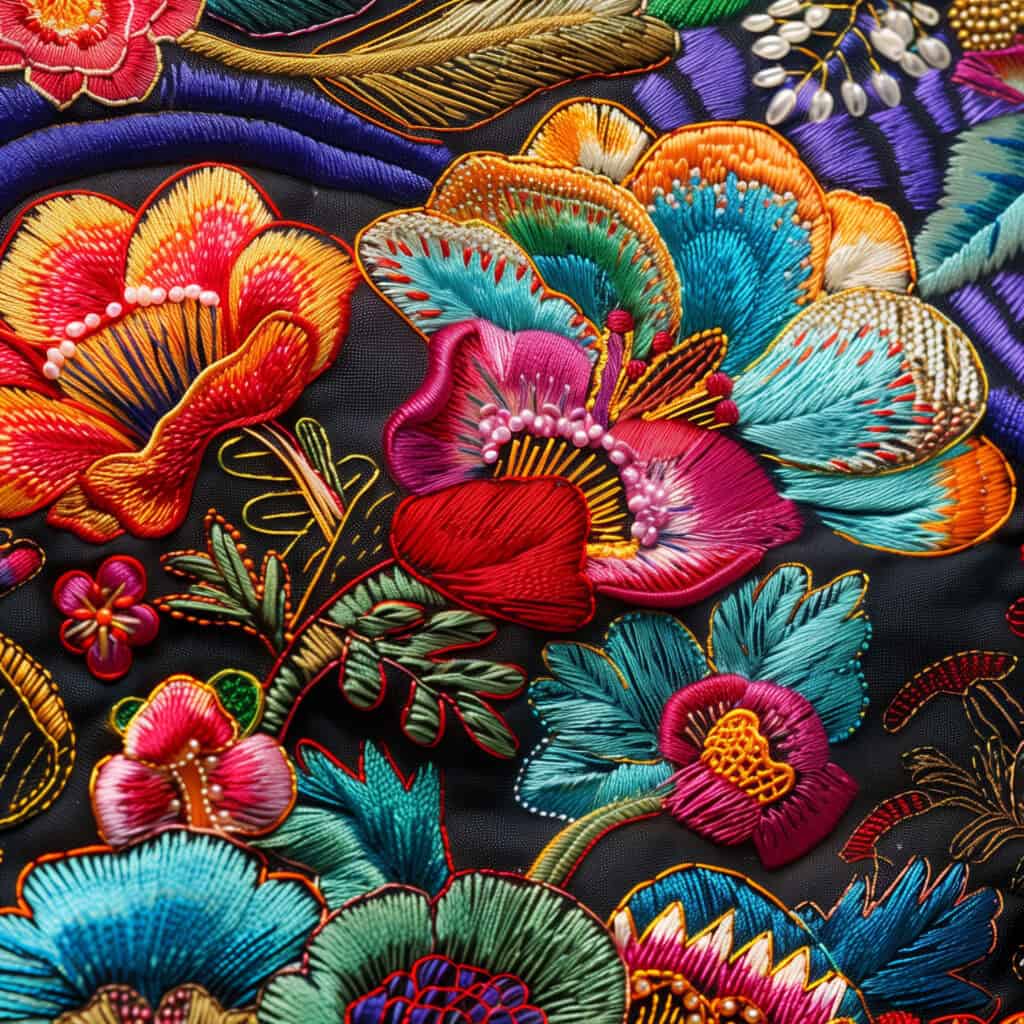
Around the year 1000 AD, embroidery flourished throughout Europe with the growth of Christianity and the rising power of nobility. The practice became intimately connected with the church, as monks and nuns created elaborate ecclesiastical vestments and altar cloths featuring religious imagery. During this period, embroidery was much more than decoration—it became a powerful symbol of wealth, status, and religious devotion.
England became renowned for a distinctive style called Opus Anglicanum (English Work), which flourished from the 12th to 14th centuries. This technique utilized fine materials like silk and gold thread, creating intricate, delicate stitching that adorned chasubles, copes, and other religious vestments. English embroidery became so highly regarded that churches and royalty throughout Europe eagerly sought these masterpieces.
The famous Bayeux Tapestry, created in the 11th century and completed in 1077, stands as one of history’s most remarkable examples of narrative embroidery. This 70-meter-long embroidered cloth depicts the events leading up to the Norman Conquest of England, providing historians with invaluable insights into medieval life, warfare, and culture.
The Renaissance period saw embroidery transition from primarily religious contexts to secular uses among the elite. Intricately embroidered clothing and accessories became prized possessions that conveyed social rank and wealth. Professional embroidery guilds emerged during this era, elevating the craft to unprecedented heights of skill and artistry. Italian and Spanish embroiderers gained particular fame for their complex designs and mastery of new techniques, including the widespread adoption of satin stitch and the incorporation of metallic threads.
Industrial Revolution and Modernization (1700s – 1900s)
The 18th century witnessed significant changes in embroidery practices. In England and its colonies, embroidery became a crucial skill marking a young woman’s passage into adulthood and indicating social standing. Upper-class women learned decorative embroidery as a leisure activity, while working-class women focused on practical applications like mending, quilting, and marking household linens with embroidered initials.
The Industrial Revolution brought dramatic transformations to the embroidery world. The invention of the sewing machine in the 19th century, followed by specialized embroidery machines in the mid-1800s, revolutionized production. What once took hours of meticulous handwork could now be accomplished much faster through mechanization, making embroidered hats and garments accessible to the general public rather than exclusively the wealthy elite.
However, this mechanization sparked a counter-movement. The Arts and Crafts Movement of the late 19th century emerged as a reaction against industrialization, emphasizing the value of handcrafted artistry and traditional techniques. Artists and craftspeople championed hand embroidery as a legitimate art form, exploring both traditional methods and avant-garde styles.
Interestingly, embroidery also began breaking gender barriers during this period. Notable male embroiderers emerged, including Gustaf V, King of Sweden (1907-1950), and Hollywood actor Henry Fonda, who publicly acknowledged embroidery as his favorite hobby, helping to destigmatize the craft.
Contemporary Embroidery and Digital Innovation
Today’s embroidery landscape differs dramatically from its historical roots while maintaining core connections to ancient techniques. Modern embroidery predominantly utilizes computerized machines with digitized patterns and specialized software. This technology allows for precise reproduction of complex designs on everything from custom hoodies to trucker hats, making personalized embroidered apparel widely accessible.
Despite technological advances, traditional hand embroidery remains valued for its unique character, artisanal quality, and cultural significance. Contemporary artists continue pushing boundaries, blending ancient techniques with modern materials, unconventional fabrics, and innovative conceptual approaches. Many cultures worldwide maintain distinctive embroidery traditions that serve as important expressions of cultural identity and heritage.
At companies like Custom 2 Wear Collections, modern embroidery machines create detailed designs on t-shirts, hats, and hoodies featuring themes ranging from automotive and aviation to outdoor adventures and mystical motifs. This demonstrates how embroidery continues evolving while honoring its rich heritage.
Enduring Legacy and Cultural Significance
The remarkable journey of embroidery—from primitive bone needles to computerized machines—illustrates humanity’s enduring desire for self-expression and beautification. Basic embroidery stitches like chain stitch, satin stitch, and cross-stitch have remained fundamentally unchanged for millennia, demonstrating the timeless effectiveness of these techniques.
What distinguishes embroidery from many other crafts is its universal appeal and adaptability. Whether adorning royal garments, religious vestments, folk costumes, or modern custom embroidered apparel, embroidery has consistently served as a medium for storytelling, status display, cultural expression, and artistic creativity.
The craft’s versatility ensures its continued relevance. Embroidery adds texture, dimension, color, and personal meaning to fabric in ways that other decoration methods cannot replicate. From ancient pharaohs to contemporary fashion designers, from medieval guilds to modern apparel companies, embroidery has proven its enduring value and adaptability.
Conclusion
The history of embroidery reveals a craft that has continuously evolved while maintaining its essential character across 30,000 years of human civilization. From its origins as a practical method for reinforcing cloth to its status as a sophisticated art form and modern custom decoration technique, embroidery has demonstrated remarkable staying power. The ability of embroidery to add personal touches, convey meaning, and create beautiful textures ensures that this age-old craft will continue captivating and inspiring creators and wearers for generations to come. Whether you’re wearing a custom embroidered national park hat or admiring a museum piece, you’re experiencing a living tradition that connects us to our ancient ancestors.
Frequently Asked Questions About Embroidery History
How old is embroidery?
Embroidery dates back approximately 30,000 years to the Cro-Magnon era. Archaeological evidence shows fossilized remains of hand-stitched and decorated clothing from this period. The earliest surviving embroidered fabrics come from ancient Egypt and China, dating to around 3000 BC.
Where did embroidery originate?
While prehistoric embroidery evidence exists worldwide, the most sophisticated early embroidery techniques originated in ancient China (3rd-5th century BC) and ancient Egypt (around 3000 BC). China particularly influenced global embroidery through its advanced silk embroidery techniques spread along the Silk Road.
What is the oldest surviving piece of embroidery?
The oldest surviving embroidered materials date from approximately 2000 BC and were discovered in Egyptian tombs. Notable examples include embroidered panels from the tunic of Pharaoh Tutankhamun. The famous Bayeux Tapestry from 1077 AD is the most well-known early embroidered work still in existence.
How did the Industrial Revolution change embroidery?
The Industrial Revolution transformed embroidery through the invention of the sewing machine (19th century) and specialized embroidery machines (mid-1800s). These innovations made embroidered goods more affordable and accessible to the general public, though they also sparked the Arts and Crafts Movement, which championed traditional hand embroidery as an art form.
What embroidery techniques are still used today?
Many ancient embroidery stitches remain fundamental to modern work, including chain stitch, satin stitch, cross-stitch, and blanket stitch. These techniques dating back thousands of years form the basis of both hand embroidery and computerized machine embroidery used on custom apparel today.
How is modern embroidery different from ancient embroidery?
Modern embroidery primarily uses computerized machines with digitized patterns, allowing for precise, rapid reproduction of complex designs. However, the basic stitches, techniques, and many materials remain similar to ancient methods. Hand embroidery is still practiced and valued for its artisanal quality and unique character.
What is custom embroidered apparel?
Custom embroidered apparel refers to clothing items like hats, t-shirts, and hoodies decorated with personalized embroidered designs, logos, or text. Modern companies use computerized embroidery machines to create durable, high-quality embroidered decorations on various garment types, continuing the ancient tradition of personalizing fabric.
